
Understanding how to effectively run a one on one meeting is one of the most valuable skills any manager can develop. Learning how to effectively run a one on one transforms ordinary check-ins into powerful conversations that drive employee performance, strengthen leadership communication, and build trust across your entire organization.
One-on-one meetings represent the cornerstone of effective management. When executed properly, these regular touchpoints between managers and their direct reports create space for honest feedback sessions, career development discussions, and relationship building that simply cannot happen in group settings. However, many managers struggle to maximize the value of these conversations, often defaulting to status updates or letting meetings become stale and unproductive.
This comprehensive guide will walk you through everything you need to know about conducting meaningful one-on-ones, from foundational concepts to advanced techniques that experienced leaders use to unlock their team’s full potential.
What Is a One-on-One Meeting?
A one-on-one meeting is a dedicated, recurring conversation between a manager and an individual team member. Unlike team meetings or group huddles, these sessions focus exclusively on the employee’s needs, concerns, goals, and development. The typical one-on-one lasts between 30 and 60 minutes and occurs weekly, biweekly, or monthly depending on the organization’s culture and the employee’s needs.
These meetings are not performance reviews, though performance discussions naturally arise. They are not simply status update sessions, although project progress might be mentioned. Instead, one-on-ones serve as a protected time for building relationships, providing mentorship, removing obstacles, and ensuring alignment between individual work and organizational objectives.
The most effective one-on-ones are employee-driven rather than manager-driven. The team member should feel ownership over the agenda, with the manager acting as a coach, mentor, and supporter rather than an interrogator. This shift in dynamic fundamentally changes how employees engage with these conversations and dramatically increases the value both parties receive.
Research consistently shows that employees who have regular one-on-ones with their managers report higher job satisfaction, feel more engaged with their work, and are significantly less likely to leave their organizations. The return on investment for time spent in quality one-on-ones is substantial, affecting retention, productivity, and overall team morale.
Why One-on-One Meetings Matter for Employees
The importance of regular manager-employee meetings cannot be overstated. These conversations serve multiple critical functions that directly impact both individual and organizational success.
Building Trust and Psychological Safety
Regular one-on-ones create a foundation of trust between managers and employees. When team members know they have dedicated time to discuss concerns, ask questions, or share ideas without judgment, they develop psychological safety. This safety net encourages risk-taking, innovation, and honest communication about problems before they escalate into crises.
Providing Direction and Clarity
Employees need to understand how their daily work connects to larger organizational goals. One-on-ones provide the perfect forum for managers to reinforce priorities, clarify expectations, and help team members see the meaningful impact of their contributions. This sense of purpose drives motivation and helps employees make better decisions when managers are not around.
Supporting Career Development
Career growth discussions rarely happen spontaneously. One-on-ones create structured opportunities to discuss professional development, identify skill gaps, explore career aspirations, and create actionable plans for advancement. Employees who feel their managers invest in their growth are dramatically more engaged and loyal.
Preventing Small Issues from Becoming Major Problems
Many workplace conflicts, misunderstandings, and frustrations fester because employees lack a safe space to address them early. Regular check-ins allow managers to spot warning signs, address concerns proactively, and course-correct before situations deteriorate. This preventive approach saves countless hours of damage control later.
Strengthening Manager-Employee Relationships
Management is fundamentally a relationship-based profession. One-on-ones provide the consistent touchpoints necessary to build genuine connections, understand what motivates each individual, and develop the rapport that makes difficult conversations possible when needed.
How to Effectively Run a One on One for Maximum Performance
Mastering how to effectively run a one on one requires deliberate preparation, active listening skills, and a framework that balances structure with flexibility. The following strategies will help you conduct meetings that employees value and that generate tangible improvements in team productivity.
Establish Consistent Scheduling
The first step in learning how to effectively run a one on one is treating these meetings as sacred commitments. Schedule them as recurring events and protect this time fiercely. Constantly rescheduling or canceling one-on-ones sends a message that the employee is not a priority, which damages trust and reduces the meetings’ effectiveness.
Choose a frequency that matches your team’s needs. High-performing teams with autonomous members might thrive with biweekly meetings, while newer employees or those facing challenges may benefit from weekly sessions. The key is consistency rather than a specific cadence.
Create a Collaborative Agenda
Effective one-on-ones require preparation from both participants. Create a shared document where both you and your team member can add agenda items throughout the week. This approach ensures important topics do not get forgotten and allows both parties to come prepared with thoughts and questions.
The employee should drive 60-70% of the agenda. Your role as manager is to add items that require discussion, but the meeting should primarily serve the employee’s needs. A typical agenda might include:
- Updates on ongoing projects or priorities
- Obstacles or challenges requiring help
- Feedback the employee wants to share
- Career development discussions
- Recognition of recent wins
- Strategic questions about direction or priorities
Practice Active Listening
Many managers make the mistake of dominating one-on-ones with their own updates, opinions, or advice. Instead, focus on asking powerful questions and truly listening to the responses. Resist the urge to immediately solve every problem your team member mentions. Sometimes people need to think through challenges aloud, and the act of articulating an issue often leads them to their own solutions.
Use open-ended questions that encourage reflection:
- “What’s been on your mind this week?”
- “What challenges are you facing that I can help with?”
- “What’s going well that we should do more of?”
- “How are you feeling about your current projects?”
- “What would make the biggest difference to your work right now?”
Take notes during the meeting, both to remember action items and to demonstrate that you value what your team member shares. Review your notes before the next session to ensure follow-through on commitments.
Balance Different Conversation Types
How to effectively run a one on one means understanding that not every meeting will cover the same topics. Effective managers cycle through different conversation types across multiple sessions:
Tactical Discussions: Short-term project updates, immediate obstacles, and quick decisions that need to be made.
Strategic Conversations: Big-picture thinking about team direction, how the employee’s role might evolve, and alignment with organizational goals.
Career Development: Long-term growth, skill-building opportunities, and mapping out paths for advancement.
Relationship Building: Personal check-ins, understanding what motivates the employee, and strengthening your connection beyond work tasks.
Feedback Exchange: Both giving and receiving constructive feedback in a way that promotes growth rather than defensiveness.
Do not try to cover everything in every meeting. Instead, ensure you touch on each category regularly over the course of several sessions.
Document and Follow Through
Every one-on-one should end with clarity about action items and next steps. Who is responsible for what? What are the deadlines? What resources or support are needed? Document these commitments and review them at the start of your next meeting.
Follow-through is where many managers fail. If you commit to finding information, making an introduction, or advocating for your team member, you must deliver. Broken promises in one-on-ones erode trust faster than almost anything else.
How to Effectively Run a One on One with Remote Employees
The rise of distributed work has created new challenges for maintaining meaningful manager-employee connections. Learning how to effectively run a one on one with remote team members requires adapting traditional approaches to account for distance and digital communication limitations.
Prioritize Video Connections
Always use video for remote one-on-ones whenever possible. Nonverbal communication carries tremendous information, and seeing facial expressions, body language, and energy levels helps you pick up on subtle cues that might indicate concerns or engagement issues. Encourage employees to turn on their cameras as well, creating a more personal connection.
Extend Meeting Duration Slightly
Remote conversations often lack the informal check-ins that happen naturally in offices. Consider adding five to ten minutes to your standard one-on-one duration for remote employees to account for the lack of casual hallway conversations or quick desk drop-bys. Use the extra time for relationship building and open-ended discussion.
Address Isolation and Connection
Remote employees face unique challenges around isolation, work-life boundaries, and feeling disconnected from team culture. Make space in your one-on-ones to specifically ask about these issues:
- “How are you managing the boundaries between work and personal time?”
- “Do you feel connected to the team? What would help?”
- “Are you getting enough informal interaction with colleagues?”
- “What aspects of remote work are working well for you, and what’s challenging?”
Be Mindful of Communication Gaps
Without spontaneous office interactions, remote employees may go days without feedback or direction. Use one-on-ones to explicitly check whether your communication style is working for them. Are they getting enough context? Too many messages? The right balance of autonomy and guidance?
Create Informal Moments
Start remote one-on-ones with a few minutes of non-work conversation. Ask about weekend plans, hobbies, or personal interests. These informal moments build relationships and help remote employees feel seen as whole people rather than just workers.
How to Effectively Run a One on One as a New Manager
Stepping into a management role for the first time presents unique challenges when it comes to one-on-ones. Understanding how to effectively run a one on one as a new manager means being intentional about building credibility while establishing productive patterns from the start.
Start with Discovery Conversations
Your first one-on-ones with inherited team members should focus on understanding each individual. Use these initial meetings to learn about their work style, career goals, past experiences, and what they value in a manager. Questions to ask include:
- “What did you value most about how your previous manager worked with you?”
- “What should I know about how you work best?”
- “What are you hoping to accomplish in the next six months?”
- “What frustrations have you experienced that I might be able to help with?”
- “How do you prefer to receive feedback?”
These discovery conversations set the foundation for your ongoing relationship and demonstrate that you value your team members’ perspectives.
Be Transparent About Your Learning
New managers sometimes feel pressure to have all the answers immediately. Resist this temptation. Be honest about what you are still learning and ask for your team’s patience and input as you develop your leadership approach. This vulnerability actually builds trust rather than undermining your authority.
Establish Clear Expectations
Use early one-on-ones to align on expectations for both the meetings themselves and for work performance. Discuss how often you will meet, what topics are appropriate for these sessions versus other forums, and how you will handle urgent issues that arise between meetings.
Seek Upward Feedback
Ask your team members explicitly for feedback on your management. What is working? What could you do differently? Making this a regular part of your one-on-ones demonstrates humility and commitment to growth while giving you valuable information for improving your approach.
Avoid These Common New Manager Mistakes
New managers often fall into predictable traps during one-on-ones:
- Talking too much: Remember that listening is more important than sharing your own experiences
- Skipping preparation: Your team notices when you show up unprepared
- Focusing only on tasks: Balance project updates with relationship building and development
- Being inconsistent: Canceling or rescheduling frequently undermines trust
- Failing to document: Without notes, you will forget commitments and lose credibility
One-on-One Meeting Agenda Template
Having a structured agenda template helps ensure you consistently cover important ground while remaining flexible enough to adapt to each employee’s needs. Here is a comprehensive framework for how to effectively run a one on one using a proven template structure.
Standard One-on-One Agenda (60 Minutes)
Opening Check-In (5 minutes)
- How are you doing overall?
- Personal updates or connection building
- Energy level and workload assessment
Employee’s Agenda Items (25 minutes)
- Topics the team member added to the shared agenda
- Updates on projects they want to discuss
- Challenges or obstacles they need help with
- Questions about strategy, priorities, or decisions
Manager’s Agenda Items (15 minutes)
- Your updates that affect their work
- Feedback you want to share (both positive and constructive)
- Upcoming changes or initiatives
- Strategic context or organizational news
Development and Growth (10 minutes)
- Progress on development goals
- Skills the employee wants to build
- Career conversations and aspirations
- Learning opportunities or resources
Closing and Action Items (5 minutes)
- Recap commitments and next steps
- Confirm who owns each action item
- Schedule any necessary follow-ups
- Check if anything was missed
Flexible Rotation Topics
Not every topic needs coverage in every meeting. Rotate these focus areas across different sessions:
Weekly Focus:
- Current projects and immediate priorities
- Short-term obstacles and problem-solving
- Quick wins and recognition
Monthly Focus:
- Career development progress
- Goal review and adjustment
- Team dynamics and collaboration
- Process improvements
Quarterly Focus:
- Long-term career planning
- Skills assessment and development plans
- Compensation and promotion discussions
- Major goal setting
This rotation approach ensures comprehensive coverage without making any single meeting feel overwhelming or rushed.
One-on-One Meeting Questions for Managers
The quality of your questions directly impacts the value of your one-on-ones. Powerful questions encourage reflection, uncover insights, and demonstrate genuine interest in your team member’s experience. Here are essential question categories every manager should master.
Questions About Work and Projects
- What projects are you most excited about right now?
- What’s blocking you from making faster progress?
- Are your current priorities clear, or is there confusion about what matters most?
- What aspects of your current work drain your energy?
- What would you do differently if you were in my position?
Questions About Team and Collaboration
- Who on the team should you be collaborating with more closely?
- Are there any team dynamics that concern you?
- Where do you see opportunities for the team to improve?
- Who on the team has been particularly helpful to you recently?
- What information or context do you wish the team had more of?
Questions About Growth and Development
- What skills do you want to develop in the next six months?
- What type of work would you like to do more of?
- What type of work would you like to do less of?
- Who in the organization inspires you, and what can we learn from them?
- What experiences or opportunities would accelerate your growth?
Questions About Feedback and Management
- Is there anything I could do differently to support you better?
- What type of feedback is most helpful to you?
- How can I provide more value in our one-on-ones?
- Are we meeting at the right frequency, or should we adjust?
- What am I missing or not seeing that you think I should know?
Questions About Wellbeing and Balance
- How are you managing your workload right now?
- Are you able to maintain boundaries between work and personal time?
- What’s energizing you outside of work these days?
- On a scale of 1-10, how would you rate your stress level?
- What can I do to help make work more sustainable for you?
Questions That Uncover Hidden Issues
- What keeps you up at night about work?
- If you could change one thing about how we work, what would it be?
- What’s something you’ve been hesitant to bring up?
- What opportunities do you think we’re missing as a team?
- If you were giving advice to someone new joining the team, what would you tell them?
One-on-One Mistakes That Kill Productivity
Even experienced managers make mistakes that undermine the effectiveness of their one-on-ones. Recognizing these patterns is essential for understanding how to effectively run a one on one that truly serves your team.
Mistake 1: Treating One-on-Ones as Status Updates
The biggest waste of one-on-one time is using these meetings solely for project updates that could be shared asynchronously. While project discussions naturally arise, these meetings should focus on higher-value conversations: career development, strategic alignment, relationship building, and problem-solving.
The Fix: Encourage team members to share status updates before the meeting via email or shared documents. Use meeting time to discuss implications, obstacles, and strategy rather than simply reporting what happened.
Mistake 2: Talking More Than Listening
Managers who dominate the conversation miss valuable insights and signals from their team members. When employees feel they cannot get a word in, they disengage from the process and stop bringing important issues to one-on-ones.
The Fix: Aim for a 30/70 or 20/80 speaking ratio, where employees do most of the talking. Ask open-ended questions, resist the urge to immediately problem-solve, and create comfortable silences that allow for reflection.
Mistake 3: Canceling or Rescheduling Frequently
Nothing communicates “you’re not a priority” faster than repeatedly canceling or moving one-on-ones. Employees notice when managers protect their own priorities but treat team members’ time as flexible and optional.
The Fix: Treat one-on-ones as non-negotiable commitments. Block them on your calendar with the same reverence you would give to meetings with executives. If genuine emergencies require rescheduling, communicate early and reschedule immediately.
Mistake 4: Failing to Take Action on Commitments
When managers make promises during one-on-ones and then fail to follow through, trust erodes quickly. Whether it’s finding information, making an introduction, or advocating for resources, employees remember broken commitments.
The Fix: Document action items for both yourself and the employee. Review these at the start of each meeting. If you cannot deliver on a commitment, explain why and discuss alternatives rather than simply dropping it.
Mistake 5: Making It All About Problems
One-on-ones that focus exclusively on problems, challenges, and what is going wrong create negative energy and cause employees to dread these meetings. While addressing issues is important, effective leadership communication requires balancing constructive conversations with recognition and celebration.
The Fix: Deliberately include positive feedback, recognition of wins, and discussion of what is working well. Start some meetings by asking what the employee is proud of or excited about.
Mistake 6: Avoiding Difficult Conversations
Some managers use one-on-ones only for pleasant topics, avoiding performance issues, behavioral concerns, or uncomfortable feedback. This avoidance serves no one and allows problems to grow worse over time.
The Fix: Address concerns directly but constructively. Frame difficult conversations as investments in the employee’s success. Provide specific examples, focus on behaviors rather than character, and collaborate on solutions.
Mistake 7: Using a One-Size-Fits-All Approach
Every employee has different needs, communication styles, and preferences. Managers who run identical one-on-ones with everyone miss opportunities to tailor their approach for maximum impact.
The Fix: Customize your approach for each team member. Some need more structure; others thrive with open-ended discussion. Some want direct feedback; others need gentler coaching. Ask employees how they prefer to use this time.
Mistake 8: Neglecting Follow-Up Between Meetings
Effective one-on-ones extend beyond the scheduled time. Managers who never reference previous conversations or follow up on discussed topics make these meetings feel disconnected and pointless.
The Fix: Review your notes before each meeting. Reference previous discussions naturally in day-to-day interactions. Send relevant articles or resources related to topics that came up in one-on-ones.
Best Tools to Manage One-on-One Meetings
Technology can significantly enhance how you structure, track, and extract value from your one-on-ones. The right tools help with agenda setting, documentation, action item tracking, and ensuring consistent follow-through.
Dedicated One-on-One Software
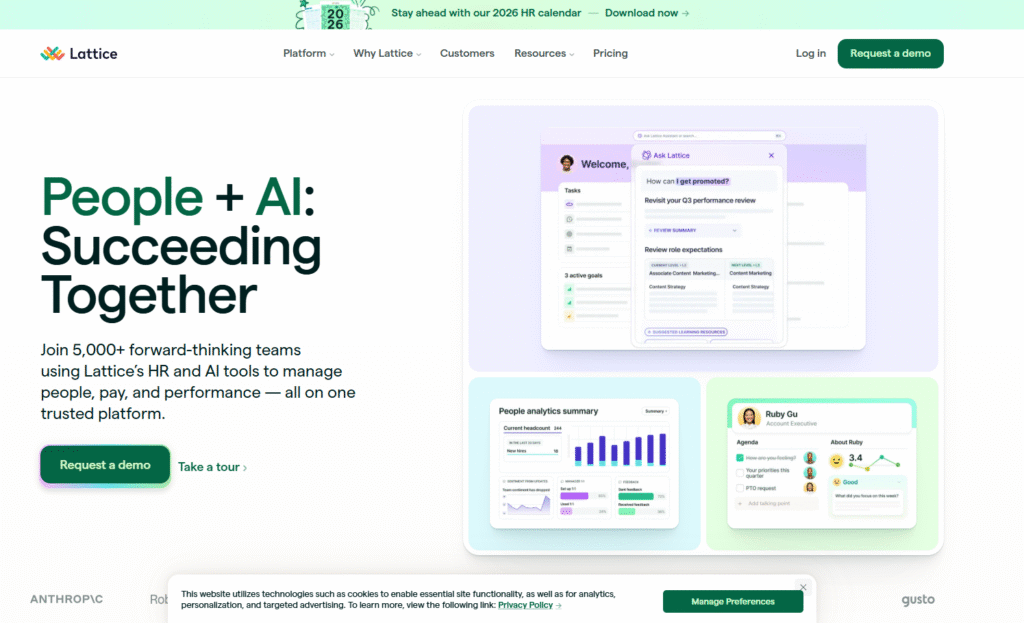
Lattice: Comprehensive performance management platform that includes one-on-one tracking, goal alignment, and feedback collection. Integrates with calendar and messaging tools for seamless workflow.
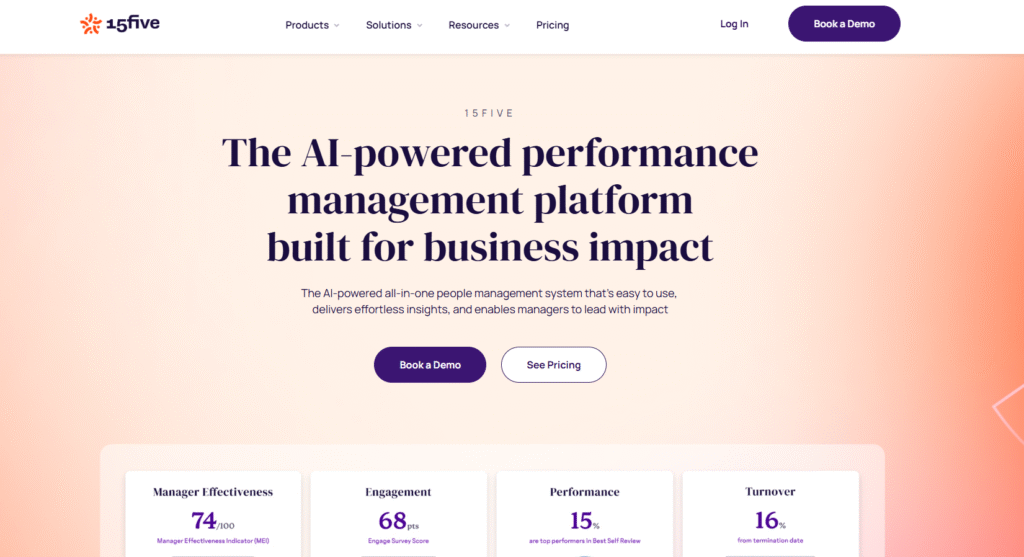
15Five: Focuses on continuous performance management with structured weekly check-ins, one-on-one agendas, and employee feedback mechanisms. Strong analytics for tracking engagement trends.
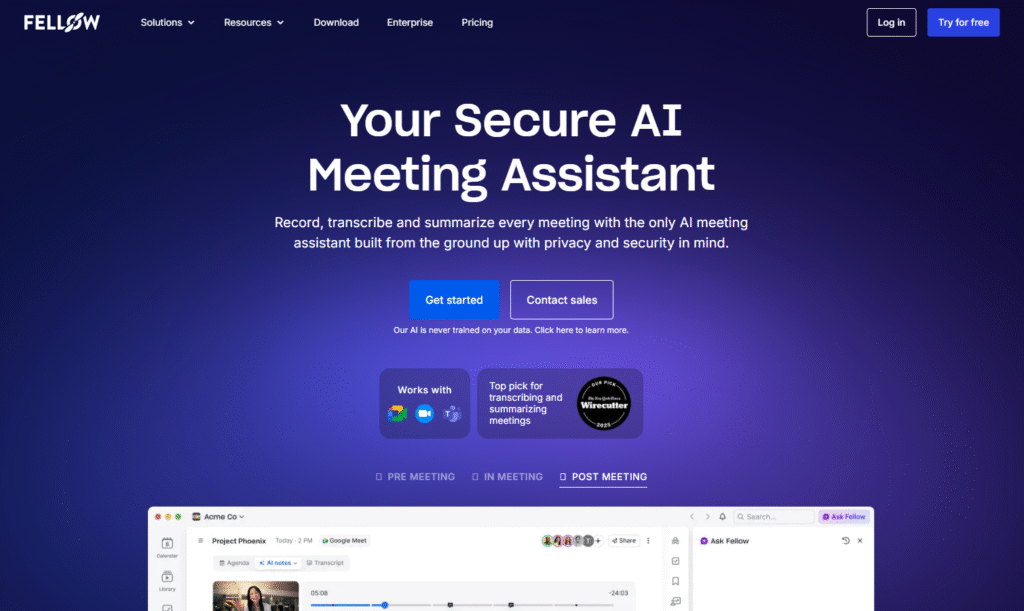
Fellow: Purpose-built for one-on-ones and team meetings, offering collaborative agenda templates, talking points, and action item tracking. Excellent for managers wanting simple, focused functionality.
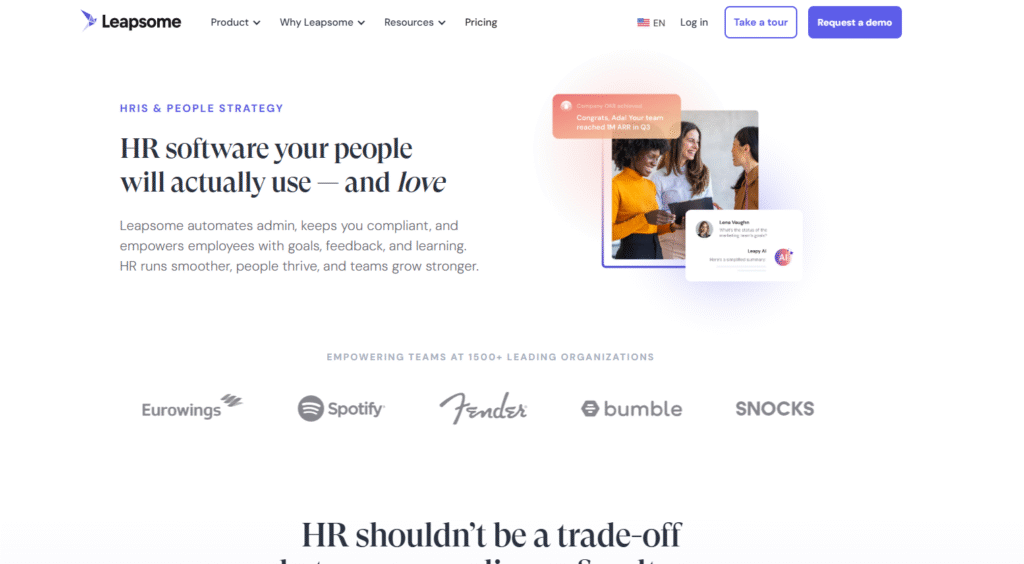
Leapsome: European-focused platform combining one-on-ones with performance reviews, goal tracking, and learning management. Strong emphasis on employee development.
General Productivity Tools
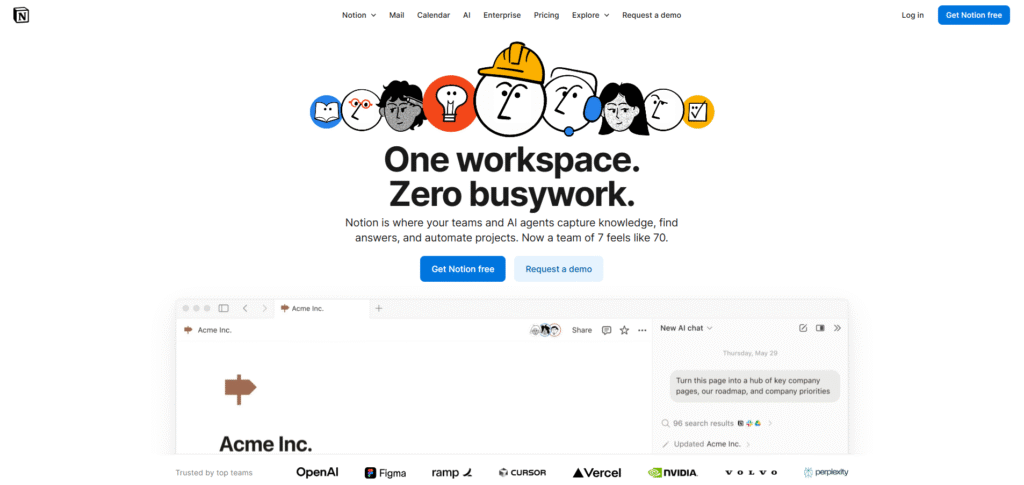
Notion: Flexible workspace that can be customized for one-on-one agendas, shared notes, and action tracking. Requires setup but offers tremendous customization.
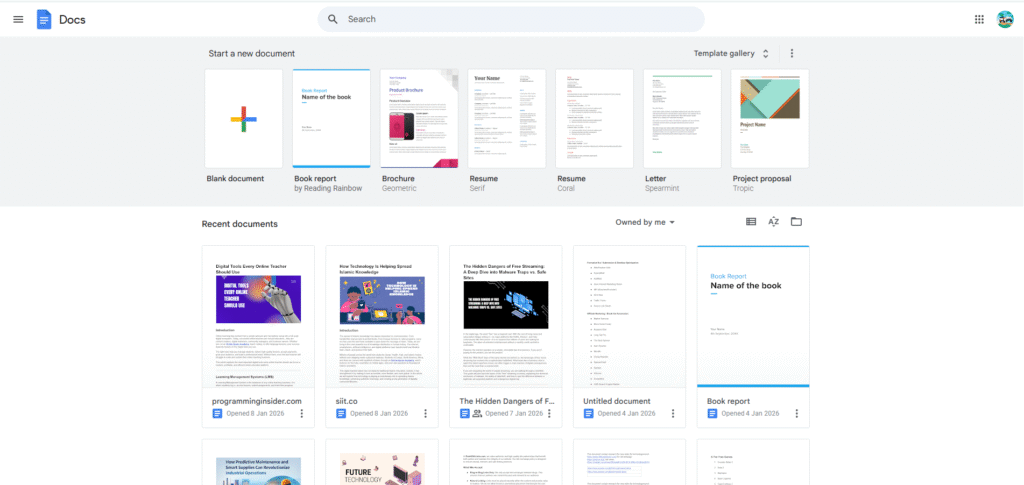
Google Docs/Microsoft Word: Simple shared documents work well for teams wanting straightforward agenda collaboration without specialized software.
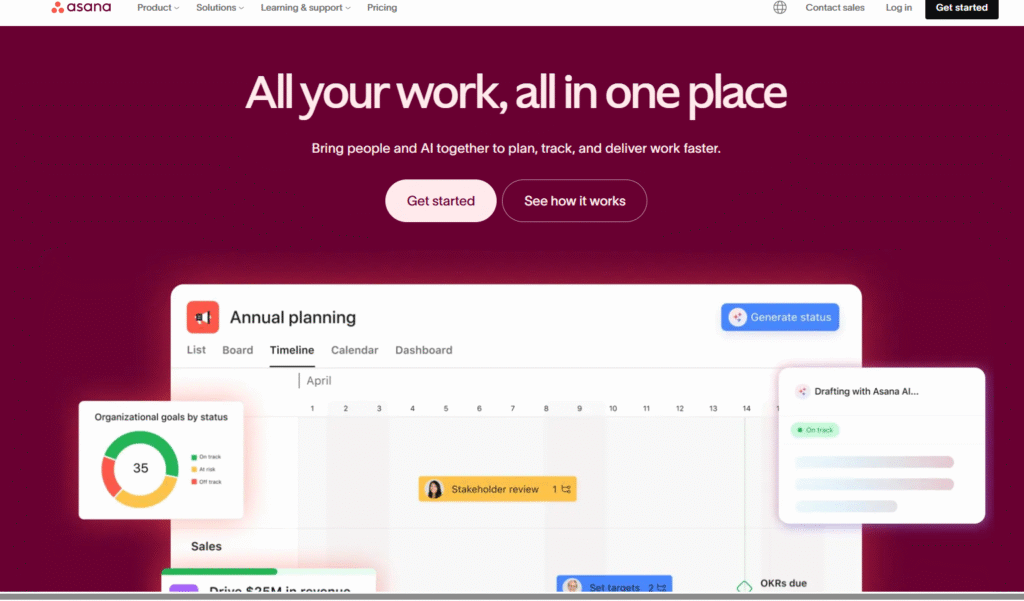
Trello or Asana: Project management tools that can be adapted for tracking one-on-one topics, action items, and long-term development goals.
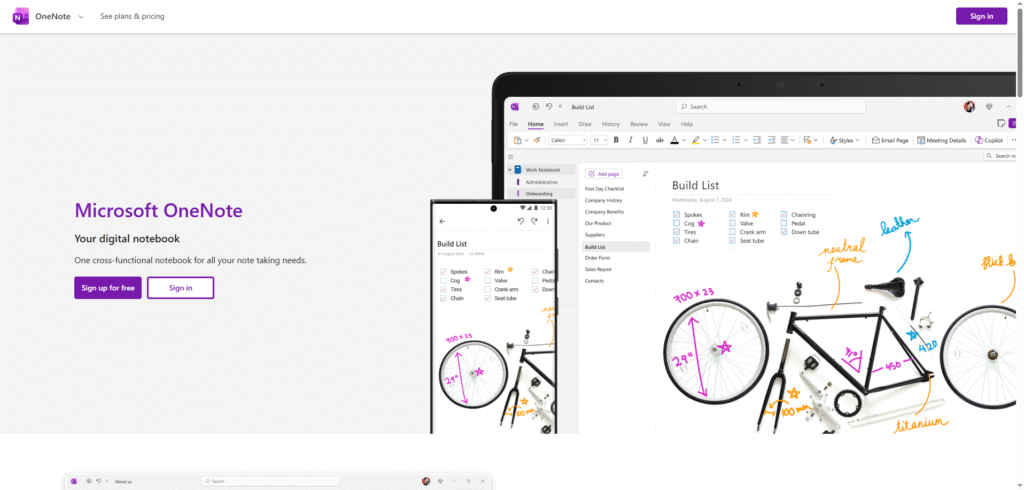
Evernote or OneNote: Note-taking applications that allow for tagging, searching, and organizing one-on-one notes across team members.
Essential Features to Look For
When evaluating tools for managing feedback sessions and employee performance discussions, prioritize these capabilities:
| Feature | Why It Matters | Tools Offering This |
|---|---|---|
| Shared agenda building | Both manager and employee can add topics before meetings | Fellow, 15Five, Lattice, Notion |
| Action item tracking | Ensures commitments are documented and followed through | Fellow, Asana, Lattice, Trello |
| Historical notes access | Allows review of previous conversations and progress | All dedicated platforms, Evernote |
| Calendar integration | Reduces friction in scheduling and preparation | Lattice, Fellow, 15Five |
| Mobile accessibility | Enables access during or immediately after meetings | Most modern platforms |
| Privacy controls | Protects sensitive employee conversations | Dedicated HR platforms |
| Analytics and insights | Tracks meeting frequency and helps spot trends | Lattice, 15Five, Leapsome |
Tool Selection Considerations
The best tool depends on your organization’s size, budget, and existing technology stack. Small teams may thrive with simple shared documents, while larger organizations benefit from integrated platforms that connect one-on-ones with performance reviews and goal tracking.
Whatever tool you choose, consistency matters more than sophistication. A simple system used reliably beats a complex platform that creates friction and gets abandoned.
Real Examples of Successful One-on-One Meetings
Understanding how to effectively run a one on one becomes clearer through concrete examples. Here are real scenarios showing how effective managers turn ordinary check-ins into transformative conversations.
Example 1: Identifying and Addressing Burnout
Context: Sarah manages a high-performing software developer, Marcus, who has seemed less engaged in recent weeks.
The Conversation:
Sarah noticed Marcus’s energy seemed different and opened their one-on-one with a direct but caring question: “Marcus, I’ve noticed you seem less energized lately. What’s going on?”
Rather than accepting Marcus’s initial “everything’s fine” response, Sarah created space for a deeper conversation: “I appreciate that, but I want to make sure you’re really okay. You’re important to this team, and I want to understand how you’re actually doing.”
Marcus eventually shared that he felt overwhelmed by the constant stream of urgent requests that prevented him from making progress on the strategic project he found most meaningful. He felt guilty admitting this because he thought he should be able to handle everything.
The Impact:
Sarah and Marcus collaboratively created a plan to protect 50% of Marcus’s time for deep work on his strategic project. They agreed on communication boundaries and identified which “urgent” requests could actually wait or be delegated. Within two weeks, Marcus’s engagement returned to normal levels.
This example demonstrates how one-on-ones serve as early-warning systems for team health issues that might otherwise go unaddressed.
Example 2: Clarifying Career Path Uncertainty
Context: James, a mid-level product manager, requested career development time in his one-on-one with his manager, Angela.
The Conversation:
James expressed frustration about feeling stuck without understanding his path to senior product manager. Angela resisted the temptation to immediately offer solutions and instead asked exploratory questions:
“What does being a senior PM mean to you? What capabilities do you see senior PMs demonstrating that you want to develop?”
Through this questioning, Angela discovered that James’s understanding of the senior PM role did not align with the organization’s actual expectations. Rather than lecturing, Angela shared examples of senior PMs in the company and asked James to observe their work over the next month.
The Impact:
In their next few one-on-ones, Angela and James developed a specific skill development plan with observable milestones. James understood exactly what growth looked like and felt energized by the concrete path forward. He reached senior PM level within 18 months.
This example shows how effective one-on-ones provide clarity that drives career development and retention.
Example 3: Transforming a Performance Discussion
Context: Elena needed to address quality issues with her team member, David, whose recent work had required significant revision.
The Conversation:
Instead of leading with criticism, Elena framed the conversation as collaborative problem-solving: “David, I want to discuss the last two projects. I’ve noticed both required more revision than usual. I’m curious what you’re observing and what might be contributing to this pattern.”
David acknowledged the quality issues and revealed he had been rushing to meet deadlines because he felt pressure to match the pace of more senior team members. He had been afraid to ask clarifying questions because he did not want to appear incompetent.
The Impact:
Elena reassured David that asking questions demonstrated professional maturity, not weakness. They agreed on a new approach where David would schedule brief check-ins at project milestones rather than working in isolation until completion. The quality issues resolved immediately, and David’s confidence grew.
This example illustrates how one-on-ones allow managers to understand root causes rather than simply addressing symptoms.
Example 4: Preventing Team Conflict
Context: During a one-on-one, Lisa mentioned feeling frustrated by a colleague’s communication style, though she tried to minimize the issue.
The Conversation:
Rather than dismissing this as a minor interpersonal issue, Lisa’s manager, Robert, recognized the potential for escalation: “Help me understand more about what’s happening. Can you give me a specific example?”
Lisa described several instances where her colleague made decisions that affected her work without consulting her. Robert asked, “Have you talked with him about this?” Lisa admitted she had not, fearing it would create awkwardness.
The Impact:
Robert coached Lisa on how to have a direct conversation with her colleague, even role-playing the discussion. He also checked in two weeks later to ensure the situation improved. The colleagues developed a better working relationship, preventing what could have become a serious team dysfunction.
This example shows how managers can use one-on-ones to coach employees through interpersonal challenges rather than always intervening directly.
Frequently Asked Questions
How long should a one-on-one meeting be?
The ideal one-on-one meeting length is 30 to 60 minutes, depending on meeting frequency and the employee’s seniority or needs. Weekly meetings can be shorter (30 minutes), while biweekly or monthly sessions should be longer (45-60 minutes) to ensure adequate coverage of important topics. New employees or those facing significant challenges may benefit from longer initial sessions. The key is ensuring sufficient time for meaningful conversation without creating scheduling burdens that reduce consistency.
How often should one-on-ones happen?
Most teams benefit from biweekly one-on-ones, though frequency should be customized based on employee needs and manager capacity. Weekly meetings work well for new employees, those in fast-paced roles, or during challenging periods. Monthly meetings may suffice for very senior, autonomous team members. The crucial factor is consistency rather than a specific cadence. Whatever frequency you choose, maintain it reliably and adjust based on the employee’s expressed preferences and circumstances.
What should I say in a one-on-one?
Start by asking open-ended questions that invite the employee to share what is on their mind: “What’s been top of mind for you this week?” or “How are things going?” Let the employee drive most of the conversation, discussing their projects, challenges, development goals, or concerns. Share relevant updates that affect their work, provide feedback, and offer support for obstacles they face. Focus on listening more than talking, asking follow-up questions, and helping the employee think through challenges rather than always providing immediate solutions.
How do I prepare for a one-on-one meeting?
Effective preparation involves reviewing your shared agenda document where both you and the employee have added topics, reading notes from your previous meeting to check on action items and commitments, reflecting on feedback you want to share based on recent observations, and considering any organizational updates or context the employee needs. Bring questions about the employee’s wellbeing, development progress, and current priorities. Block 10-15 minutes before the meeting for this review, and approach the conversation with genuine curiosity about the employee’s perspective and experience.
What if my employee says they have nothing to discuss?
When employees claim they have nothing to discuss, it usually indicates they do not fully understand the purpose of one-on-ones or do not yet trust the space for honest conversation. Help them by asking specific prompting questions: “What projects are you most excited about? What’s been frustrating? What questions do you have about team direction?” Share that these meetings exist primarily for their benefit and encourage them to bring anything from tactical obstacles to career aspirations to team dynamics. Over time, as trust builds and you consistently demonstrate the value of these conversations, employees typically begin bringing more substantive topics.
Should I take notes during one-on-ones?
Yes, taking notes during one-on-ones demonstrates that you value what the employee shares and helps ensure follow-through on commitments. However, balance note-taking with maintaining eye contact and presence in the conversation. Brief bullet points capturing key topics, action items, and commitments work better than verbatim transcription. Consider using a shared document where both you and the employee can see notes, which increases transparency and accountability. Always ask permission before documenting sensitive personal information.
How do I handle one-on-ones with difficult employees?
Difficult relationships make one-on-ones even more important, not less. Maintain consistency in meeting frequency and treat these sessions professionally and respectfully. Focus on specific behaviors and outcomes rather than personality conflicts. Ask questions to understand the employee’s perspective, even if you disagree with it. Address performance concerns directly but constructively, documenting discussions appropriately. Sometimes the one-on-one provides the first real opportunity to understand what is driving challenging behavior and to collaborate on solutions.
Can one-on-ones be too frequent?
While one-on-ones provide tremendous value, overly frequent meetings can become burdensome and reduce the time available for actual work. Weekly meetings work for some teams but may feel excessive for others. Pay attention to whether you are struggling to fill the time or whether meetings feel repetitive. Ask employees directly about their preferences. If reducing frequency, ensure you maintain other regular touchpoints through team meetings, informal check-ins, or asynchronous communication to avoid employees feeling disconnected.
Conclusion: Mastering the Art of One-on-One Leadership
Learning how to effectively run a one on one represents one of the highest-leverage activities in any manager’s toolkit. These regular conversations create the foundation for trust, engagement, and high performance across your team. The managers who master this skill see dramatically better retention, higher team productivity, and more engaged employees who feel valued and supported in their growth.
The strategies outlined in this guide provide a comprehensive framework for conducting meaningful one-on-ones, from establishing consistent scheduling and collaborative agendas to asking powerful questions and avoiding common mistakes. Whether you are managing remote employees, stepping into management for the first time, or looking to improve existing practices, these principles will transform your leadership communication and strengthen your relationships with team members.
Remember that understanding how to effectively run a one on one is not about following a rigid script. The most impactful meetings combine structure with flexibility, balancing the employee’s immediate needs with long-term development conversations. Success requires genuine curiosity about your team members’ experiences, consistent follow-through on commitments, and the humility to continuously refine your approach based on feedback.
Invest the time to prepare properly, listen actively, and create the psychological safety that allows honest conversations to flourish. Document commitments and ensure accountability for both yourself and your employees. Use the templates, questions, and frameworks provided here as starting points, then customize them to match your team’s unique culture and needs.
The return on investment for quality one-on-ones extends far beyond individual meetings. These conversations ripple outward, affecting team dynamics, organizational culture, and business results. Employees who feel heard, supported, and invested in through regular one-on-ones become your strongest advocates, your most engaged contributors, and the foundation of sustainable team success.
Start implementing these strategies in your next one-on-one meeting. Your team members are waiting for the opportunity to have more meaningful conversations with you, and mastering how to effectively run a one on one will unlock potential you did not know existed within your team.

Abdullah Zulfiqar writes about technology in a simple, practical way, helping readers stay updated and make smarter decisions in an ever-evolving digital world.