Introduction
Research in 2025 is no longer just about searching on Google and reading books. Today, AI has changed the way students, writers, bloggers, and professionals collect and organize knowledge. Many AI tools are built to save time, analyze data, and even summarize long reports into easy notes. Instead of spending hours browsing different sites, these tools can do the heavy lifting in just a few clicks. But the internet is full of AI tools, and not all of them are equally good. Some are useful for deep research, while others are just simple AI chatbots with limited features. That is why I tested and listed the 8 best AI tools for research in 2025, so you don’t waste your time on low-quality apps.
1. ChatGPT (OpenAI)
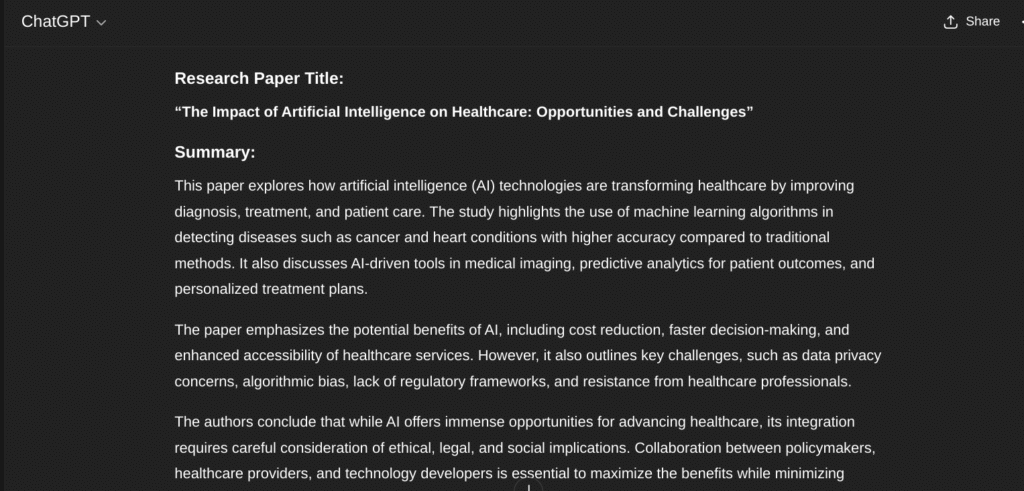
ChatGPT has become the most popular AI tool for research because of its ability to generate human-like answers quickly. Whether you are writing an article, preparing an assignment, or looking for market analysis, ChatGPT can save hours of searching. The tool is now upgraded with GPT-4 and GPT-5, which means it understands complex questions better than before.
Features
- Provides quick and detailed answers for any query
- Can summarize long articles or reports
- Generates ideas for blogs, research, and projects
Pros
- Fast and easy to use
- Handles complex research queries
- Good for both beginners and experts
Cons
- Sometimes gives outdated information
- Requires internet connection for accurate data
2. Google Bard (Gemini)
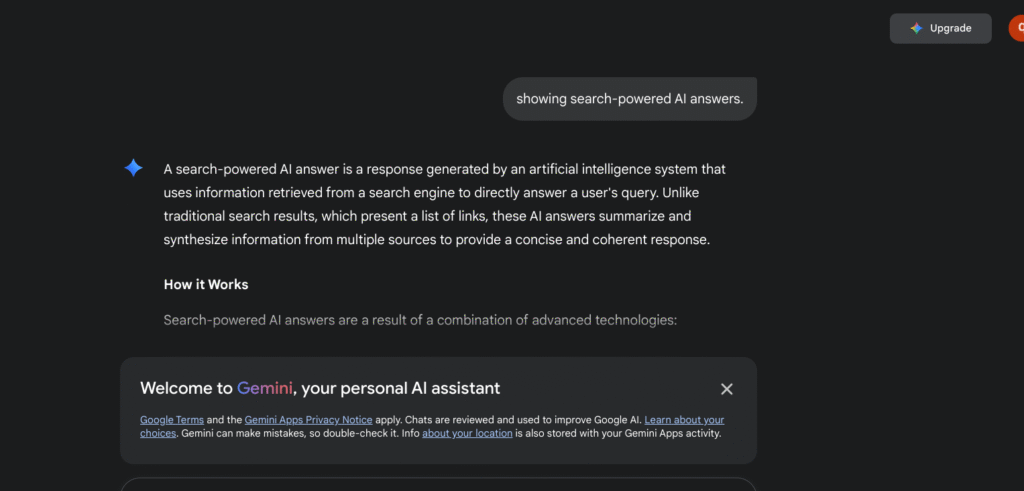
Google Bard, also known as Gemini, is another powerful AI research assistant. It connects directly with Google Search, which makes it better for finding up-to-date information. Many bloggers and students use it because it can answer questions with real-time data instead of only trained knowledge.
Features
- Integrated with Google Search results
- Provides fresh and updated information
- Good for fact-checking research content
Pros
- Always updated with new information
- Great for current events and trending research
- Easy to use with Google account
Cons
- Sometimes less creative compared to ChatGPT
- Limited features in free version
3. Perplexity AI
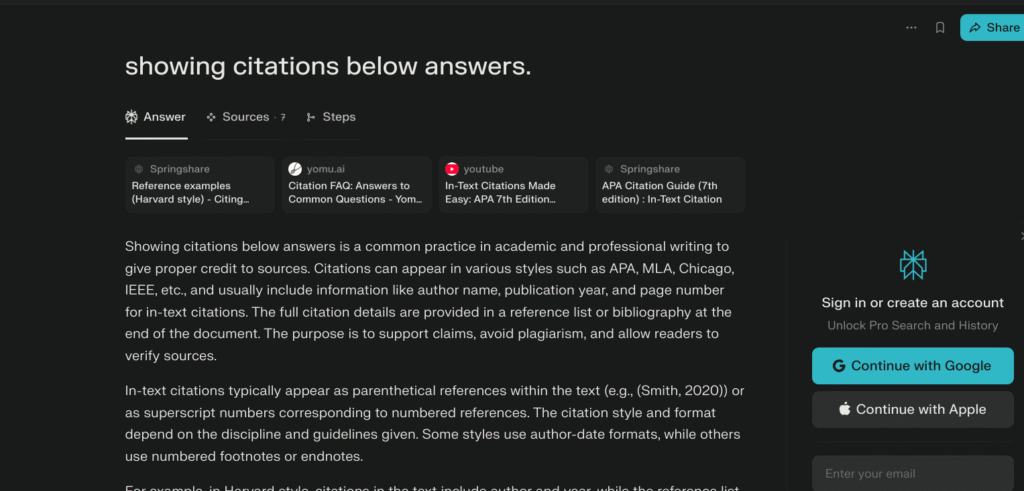
Perplexity AI is a rising star in AI research tools. Unlike normal AI chatbots, it gives direct citations and references for the answers it provides. This makes it very reliable for academic research or professional writing where sources matter.
Features
- Provides citations and references with every answer
- Searches multiple sources at once
- Offers simple and clear explanations
Pros
- Trustworthy because it shows sources
- Best for academic and professional research
- Saves time in fact-checking
Cons
- Limited free usage
- Not as creative in writing style
4. Elicit.org
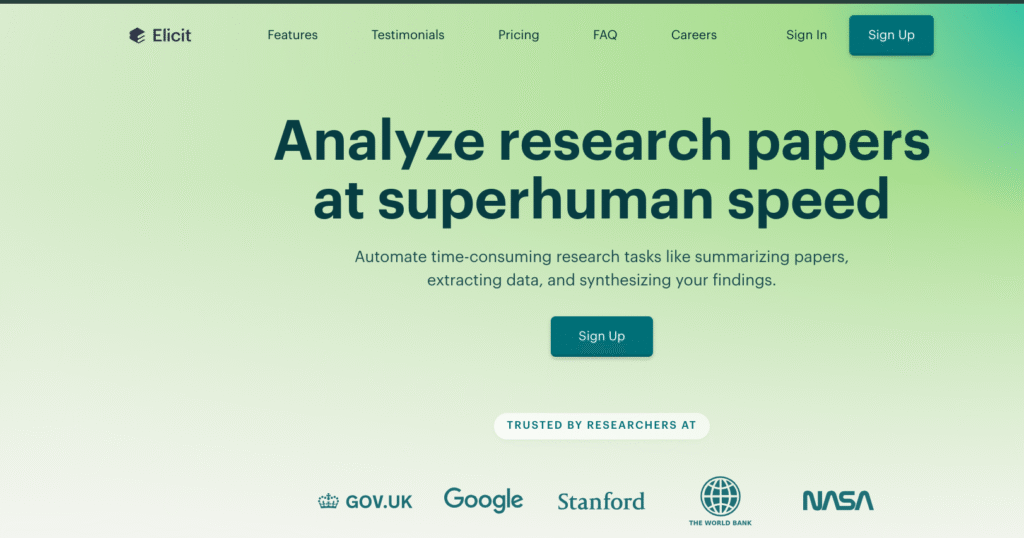
Elicit is designed especially for research papers and academic work. It can search millions of scientific papers and give you summarized results. For students and researchers, this tool is like having a digital assistant that reads the boring parts for you.
Features
- Summarizes research papers
- Finds relevant studies fast
- Highlights key points from scientific documents
Pros
- Saves hours of manual paper reading
- Academic-focused tool
- Free plan available
Cons
- Interface is not very friendly
- Mostly useful for academic research only
5. Jasper AI
Jasper AI is more popular for content writing, but it is also powerful for research. It helps bloggers, marketers, and professionals gather insights quickly. Jasper’s strength is in turning research data into clear, engaging content.
Features
- Research + content writing in one tool
- Supports multiple languages
- Built-in templates for different writing tasks
Pros
- Good for research and writing together
- User-friendly interface
- Useful for marketing and blogging research
Cons
- Expensive for small users
- Can sometimes repeat information
6. Research Rabbit
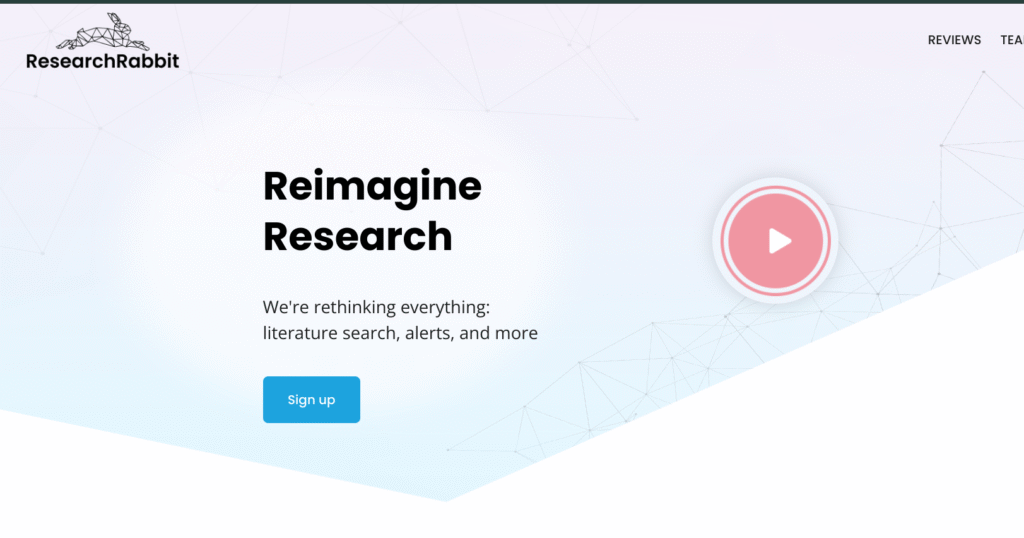
Research Rabbit is like a Spotify for research papers. Instead of just showing lists of documents, it visualizes connections between different studies. This makes it perfect for deep academic research and understanding how different ideas connect.
Features
- Visual maps of related research
- Tracks new papers in your field
- Collaboration features for teams
Pros
- Great for academic projects
- Helps understand research networks
- Free to use
Cons
- Mostly useful for students and researchers
- Takes time to learn the interface
7. Scite.ai
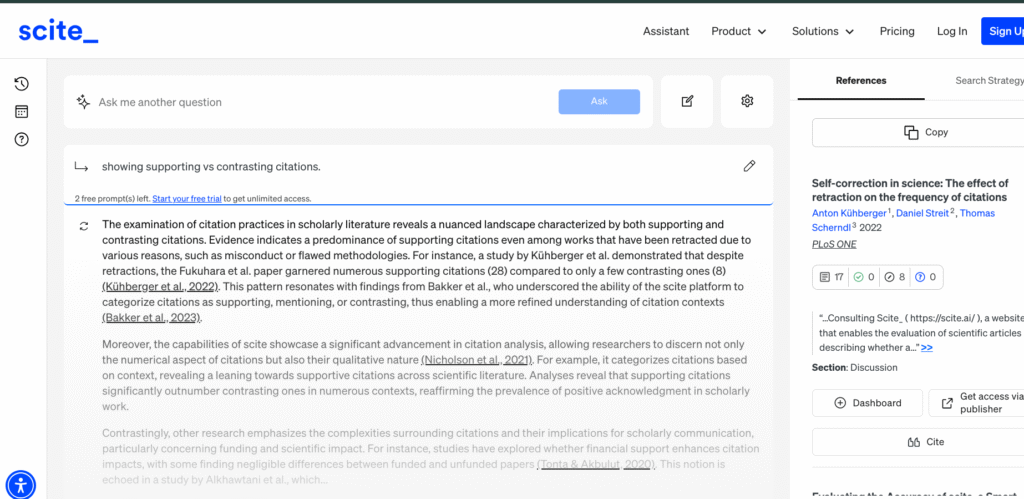
Scite.ai is an advanced AI tool that focuses on citations. It not only tells you what is written but also shows if other researchers agree or disagree with the information. This makes it very powerful for people who want to see debates in research.
Features
- Tracks citations and references
- Shows supporting and contrasting evidence
- Integrates with academic research databases
Pros
- Very reliable for fact-checking
- Good for in-depth academic studies
- Helps avoid misleading research
Cons
- Requires subscription for full features
- Complex for beginners
8. QuillBot Research Assistant
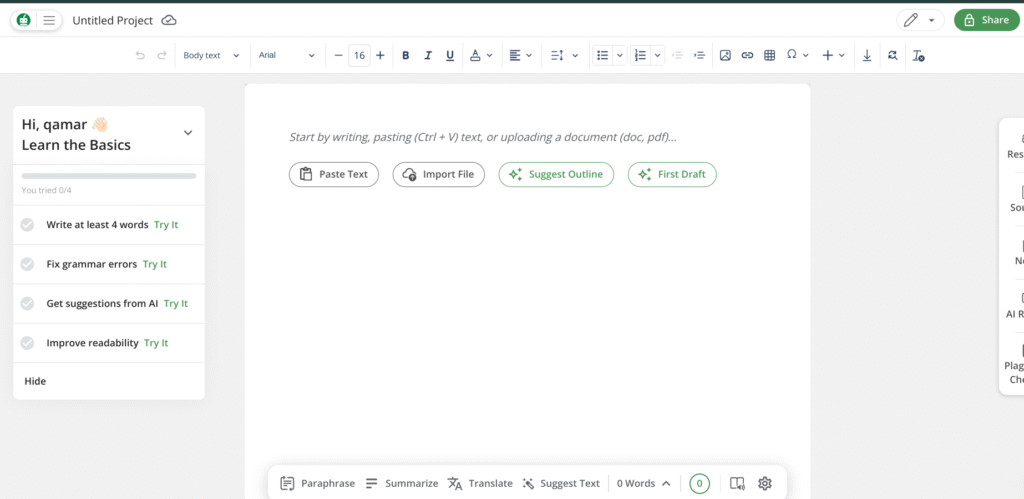
QuillBot is famous for paraphrasing, but its new research assistant is also very useful. It helps in summarizing, citing, and paraphrasing research notes in seconds. Many bloggers and writers use it to rewrite sources without losing meaning.
Features
- Summarizer and citation generator
- Paraphrasing tool
- Chrome extension available
Pros
- Easy to use for students and bloggers
- Saves time in rewriting and citing
- Affordable compared to others
Cons
- Limited free plan
- Sometimes changes meaning while paraphrasing
Comparison Table
| Tool | Main Use | Best For | Free Version |
|---|---|---|---|
| ChatGPT | General Research & Writing | Writers, Bloggers, Professionals | Yes |
| Google Bard | Updated Research | Students, News Research | Yes |
| Perplexity AI | Research with Citations | Academics, Professionals | Yes |
| Elicit | Research Papers | Academics, Students | Yes |
| Jasper AI | Research + Writing | Bloggers, Marketers | No |
| Research Rabbit | Visual Research Mapping | Students, Researchers | Yes |
| Scite.ai | Citations & References | Researchers, Academics | No |
| QuillBot | Summarizing & Paraphrasing | Students, Bloggers | Yes |
Conclusion
AI tools for research in 2025 are more powerful and smarter than ever before. From quick answers in ChatGPT to academic references in Perplexity and Scite, there is something for everyone. Students can save hours on papers, bloggers can find fresh ideas faster, and professionals can stay updated with less effort. While each tool has its strengths and weaknesses, using them together gives the best results. If you are serious about research, testing at least two or three of these tools will make your work faster and more reliable.